Best No-Code App Builders for Small Businesses in 2026: Create Apps Without Coding
webwritetech1@gmail.com
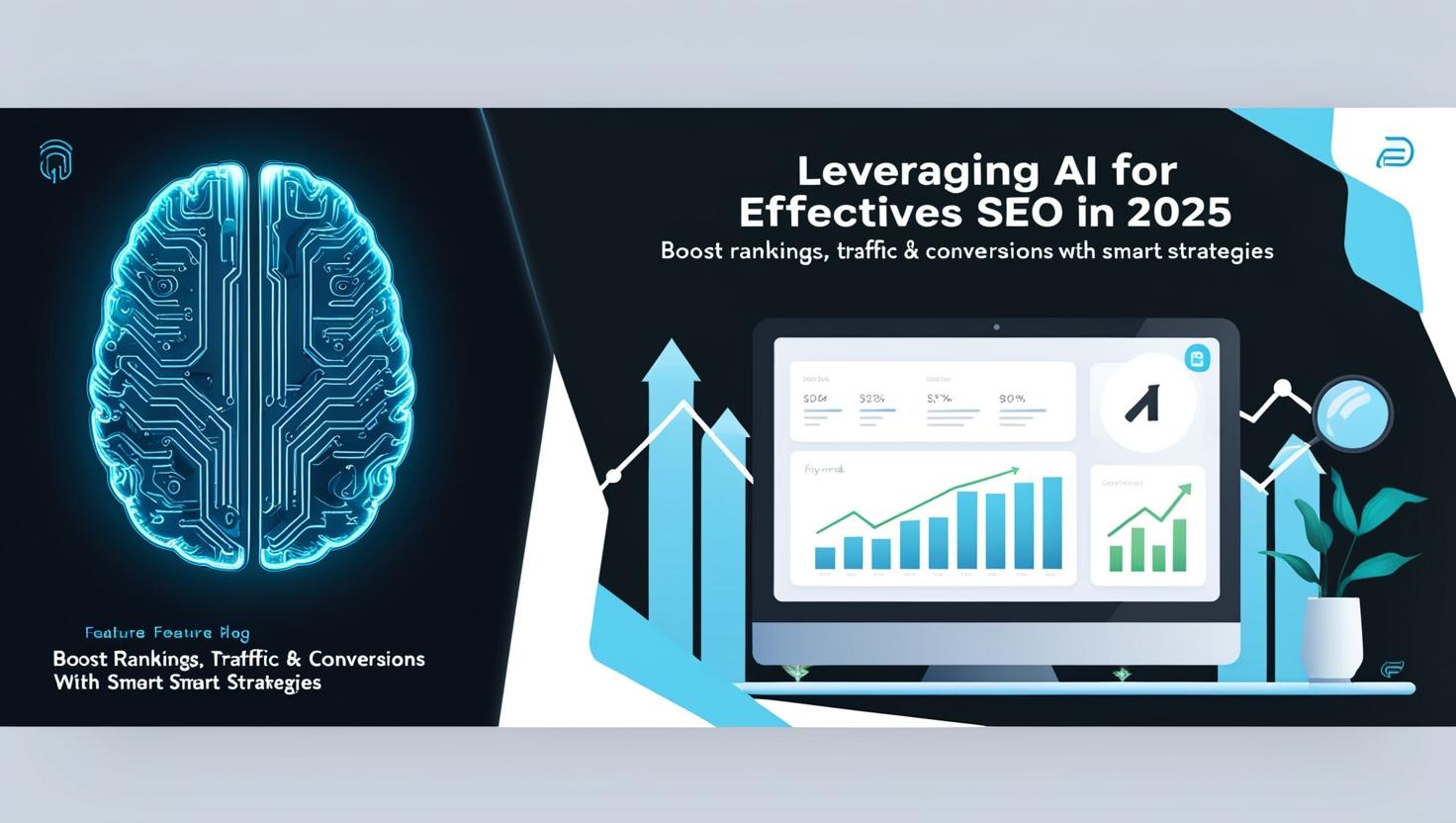
Search Engine Optimization (SEO) has evolved dramatically over the years, and in 2025, artificial intelligence (AI) is no longer a futuristic concept—it’s the backbone of modern SEO. From automating keyword research to generating predictive insights, leveraging AI for effective SEO in 2025 is the key to staying ahead in the competitive digital space.
At Web Write Tech, we understand that navigating this landscape can be overwhelming. That’s why we’ve put together this in-depth guide to help you harness AI and optimize your website for better rankings, traffic, and conversion rates.
AI is transforming how search engines interpret content and how marketers optimize websites. With machine learning, natural language processing (NLP), and automation, AI tools can analyze massive datasets, predict trends, and optimize strategies faster than any human ever could.
Google’s search engine now heavily relies on AI algorithms like RankBrain, MUM (Multitask Unified Model), and BERT (Bidirectional Encoder Representations from Transformers). These tools help the search engine better understand context, user intent, and content relevance.
Traditional keyword tools are no longer enough. In 2025, AI-powered platforms like Surfer SEO, Clearscope, and Frase.io analyze SERPs, competition, and user intent to uncover long-tail keywords and semantic variations.
Focus on user intent clusters rather than isolated keywords to increase topical authority.
AI writing tools like ChatGPT, Jasper, and Copy.ai can generate outlines, drafts, or full articles that are SEO-friendly. However, human editing is still crucial for quality and authenticity.
Avoid full automation without oversight to stay within Google AdSense content policies.
With smart assistants becoming more popular, voice queries now account for over 30% of all online searches. AI helps interpret natural language, making voice search SEO a must.

SEO audits can now be run through AI tools like Screaming Frog, SEMrush, and Ahrefs. These tools automatically detect broken links, page speed issues, on-page SEO errors, and technical SEO problems.
AI tools help analyze user behavior to serve tailored content, improve time-on-site, and lower bounce rates—all factors Google values.
AI tools can analyze backlink profiles, find high-quality link opportunities, and automate outreach campaigns. Look into platforms like Postaga, Pitchbox, and Respona.
By analyzing past data, AI can predict:
AI helps businesses dominate local search by automating:
Google’s Helpful Content Update penalizes sites with content written for search engines rather than users. Use AI to assist, not replace.
Even the best AI tools can misunderstand context or nuance. Always review for tone, factual accuracy, and audience fit.
Avoid:
At Web Write Tech, we implemented AI-powered SEO for a mid-sized eCommerce brand. Within 60 days:
Search engines will continue customizing results per user based on behavior, location, and preferences.
AI will help index and understand visual content better, making YouTube SEO and image alt-text optimization more crucial.
Fully automated SEO platforms that adapt to algorithm changes in real time are emerging.
AI is no longer optional—it’s essential. By leveraging AI for effective SEO in 2025, businesses can not only boost rankings but also deliver personalized, high-quality experiences that convert visitors into loyal customers.
Ready to supercharge your SEO strategy with AI?
Let Web Write Tech help you craft intelligent, high-conversion content that ranks.
📞 Contact us today at www.webwritetech.com
📩 Or schedule your free SEO consultation now!

webwritetech1@gmail.com

webwritetech1@gmail.com