AI’s Double-Edged Sword: Navigating the Benefits and Risks in 2025
Introduction
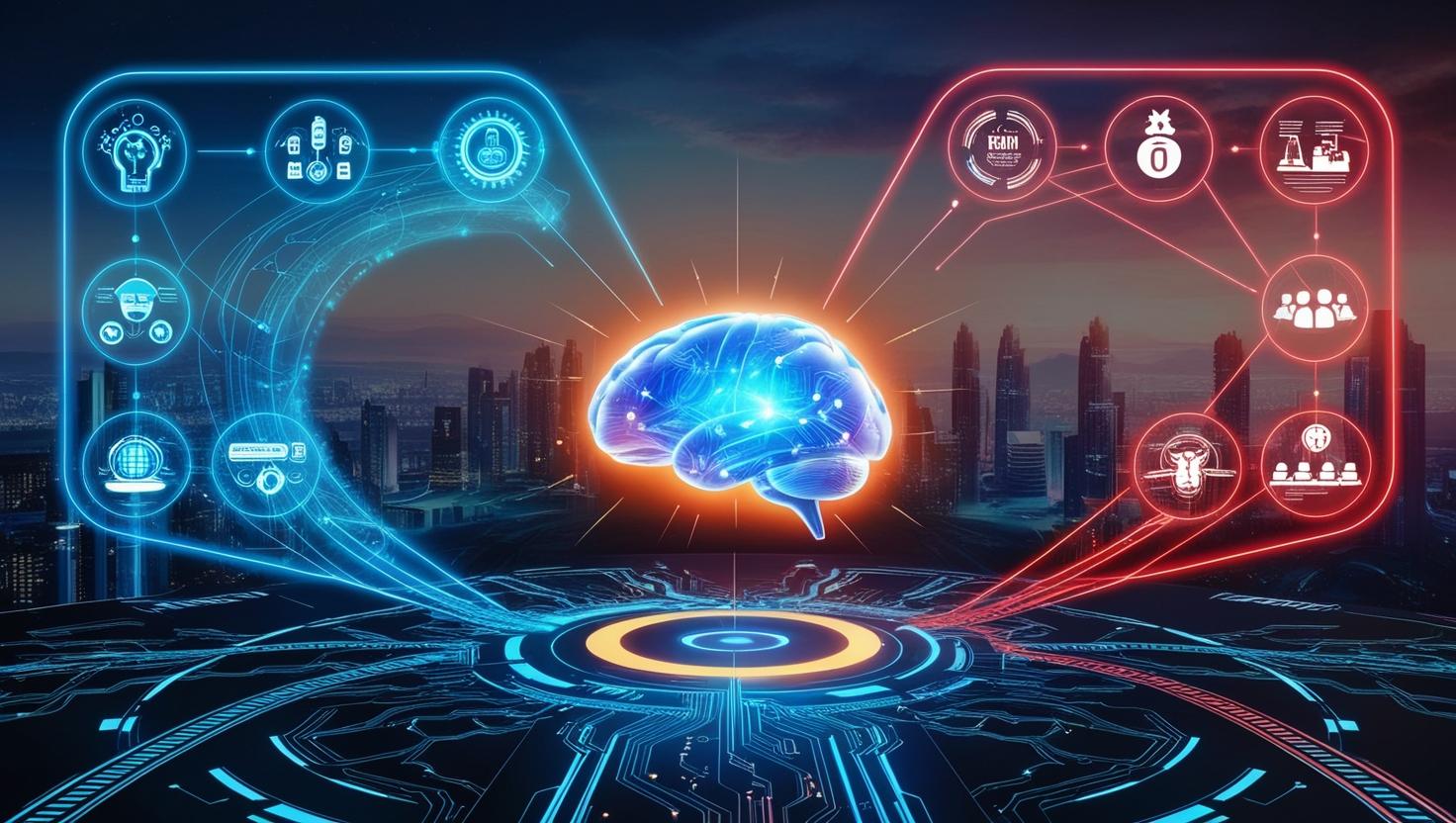
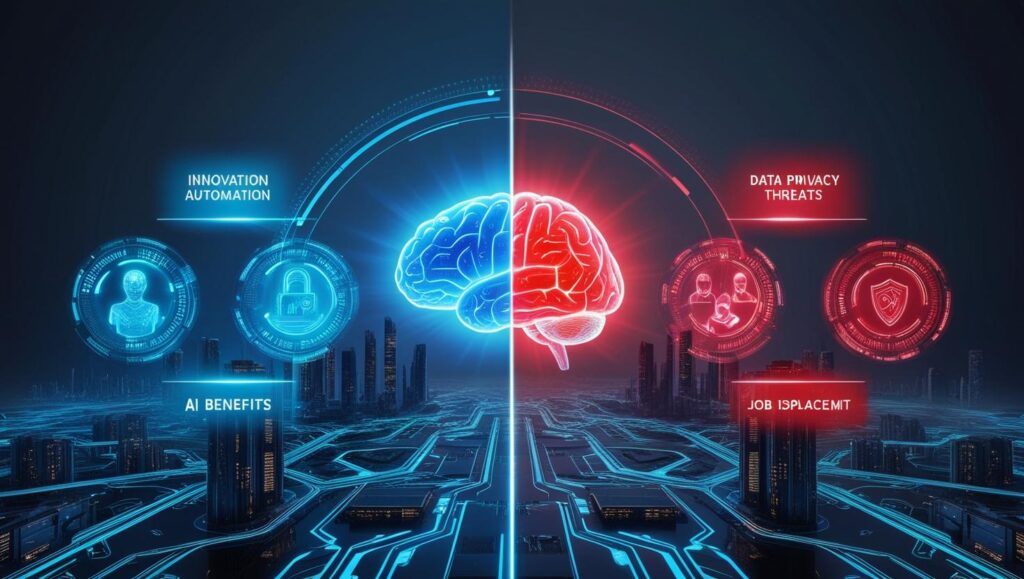
Artificial intelligence (AI) continues to revolutionize industries across the globe. As we enter 2025, AI is more powerful and pervasive than ever. However, this technological marvel presents both incredible benefits and substantial risks. This article explores AI’s impact on society, business, and personal life, while addressing ethical concerns, security challenges, and economic implications.
The Benefits of AI in 2025
AI in Healthcare
Improved Diagnostics and Personalized Medicine
AI-powered algorithms analyze medical data with unparalleled accuracy.
Automation of repetitive tasks boosts workforce efficiency.
AI optimizes supply chain management and logistics.
Data-Driven Decision Making
AI tools provide predictive analytics to improve business strategies.
Machine learning helps in customer behavior analysis.
AI in Finance
Algorithmic Trading and Fraud Detection
AI-powered trading systems analyze market trends.
AI security tools detect fraudulent activities in real time.
Personalized Financial Services
AI-driven chatbots and advisors enhance customer experience.
AI automates budgeting and expense tracking.
AI in Education
Smart Learning Systems
AI personalizes educational experiences based on student needs.
Virtual tutors assist in learning at a self-paced speed.
Automated Administrative Processes
AI streamlines grading, scheduling, and administrative tasks.
The Risks of AI in 2025
Ethical Concerns and Bias in AI
Algorithmic Bias and Discrimination
AI systems can reflect societal biases, leading to unfair treatment.
Lack of diversity in training data exacerbates bias issues.
AI and Privacy Violations
AI-driven surveillance threatens personal privacy.
Data breaches and misuse of personal information increase concerns.
AI and Job Displacement
Automation Replacing Human Workers
AI-driven automation eliminates traditional jobs.
The need for reskilling and upskilling becomes crucial.
The Changing Workforce Landscape
The gig economy and remote work increase reliance on AI tools.
AI-generated content challenges traditional job roles.
Security Risks in AI
Cybersecurity Threats
AI-powered cyberattacks become more sophisticated.
Organizations struggle to keep up with AI-driven security threats.
Deepfake Technology and Misinformation
AI-generated deepfakes blur the line between reality and fiction.
The spread of misinformation threatens democracy and public trust.
Addressing AI Challenges
Regulating AI for Ethical Use
Governments and organizations implement AI ethics frameworks.
Policies ensure transparency and accountability in AI systems.
Ensuring AI Safety and Security
Companies invest in AI-powered cybersecurity solutions.
AI developers focus on ethical AI models to minimize risks.
The Role of Human Oversight
AI should complement human intelligence rather than replace it.
Human intervention remains critical in AI decision-making processes.
Conclusion
Artificial intelligence in 2025 is a double-edged sword, offering unprecedented benefits while presenting complex challenges. By promoting ethical AI use, improving security measures, and ensuring human oversight, society can harness AI’s potential while mitigating its risks. The future of AI depends on responsible innovation, regulation, and adaptability.
Denounce with righteous indignation and dislike men who are beguiled
and demoralized by the charms pleasure moment so blinded desire that
they cannot foresee the pain and trouble.