
Best No-Code App Builders for Small Businesses in 2026: Create Apps Without Coding
webwritetech1@gmail.com

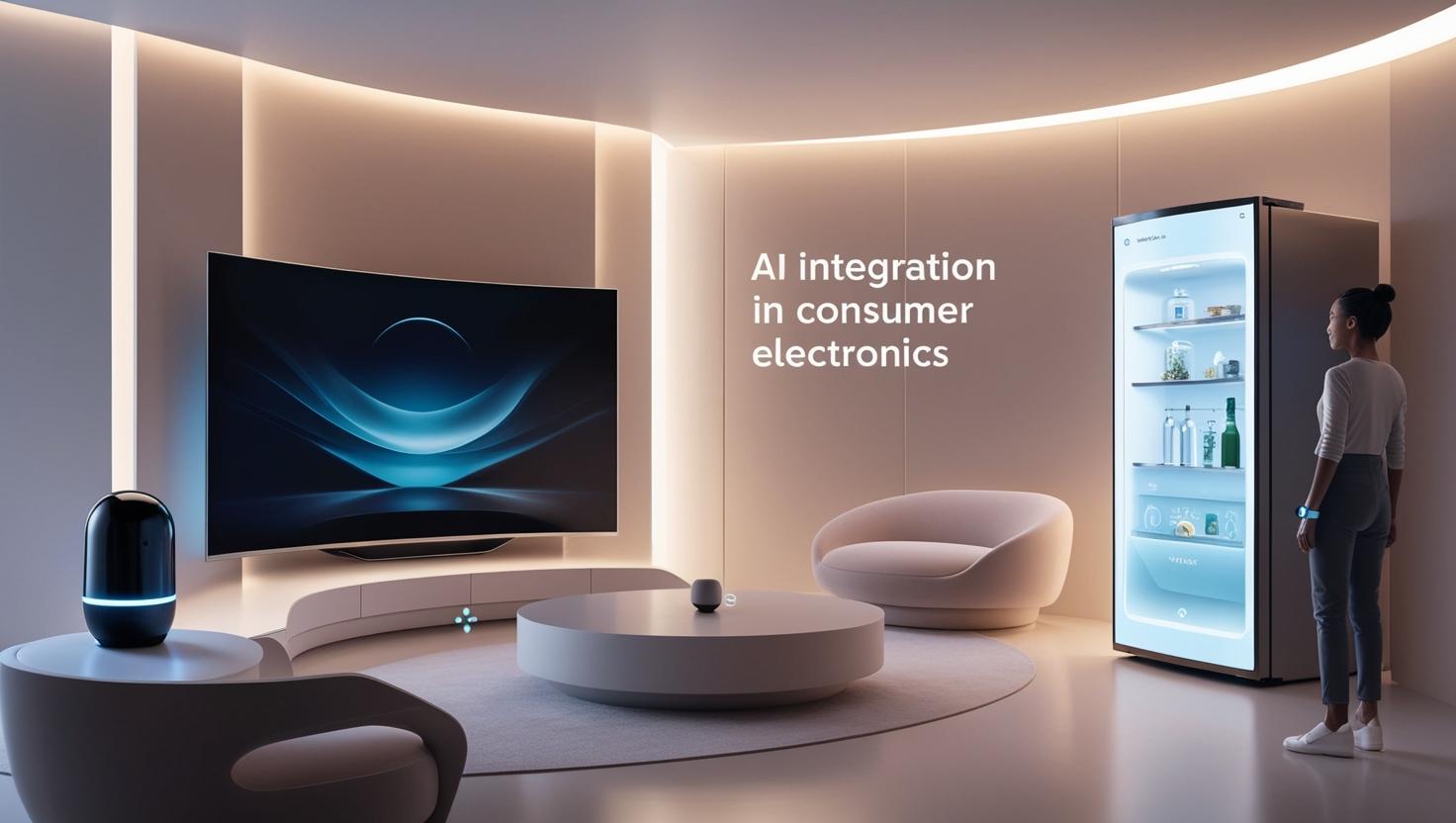
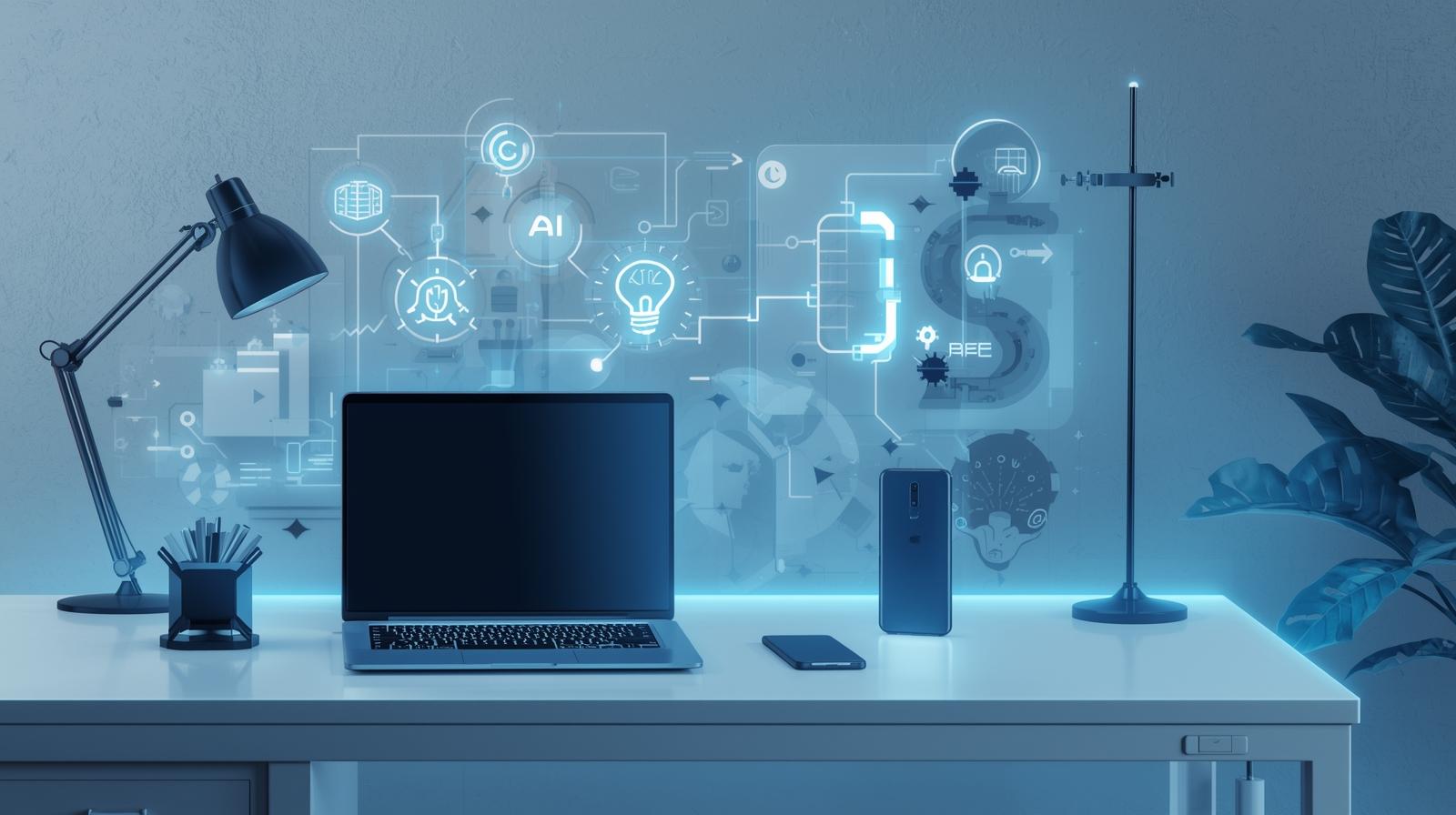
Artificial Intelligence (AI) has become a crucial part of consumer electronics, enhancing user experience, automation, and efficiency. AI-driven devices are now smarter, intuitive, and capable of adapting to user preferences. This article explores how AI is reshaping consumer electronics, its benefits, challenges, and the future of AI-powered gadgets.
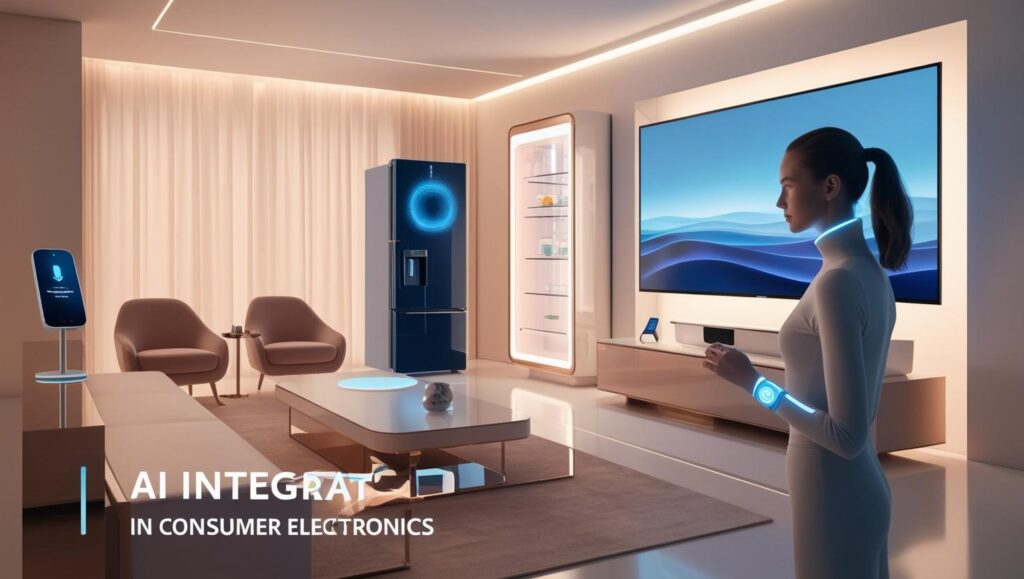
AI integration in consumer electronics personalizes the user experience by learning behaviors and preferences. Devices such as smart TVs, AI-powered assistants, and smartphones leverage machine learning to improve usability.
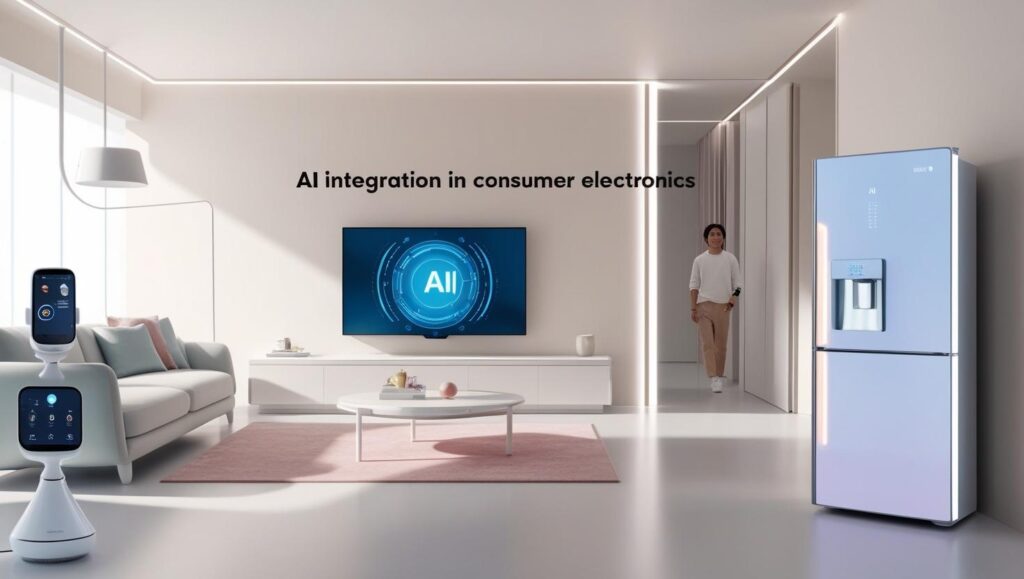
AI enables automation in various gadgets, including smart home systems, AI-driven kitchen appliances, and wearable technology, reducing manual effort and improving efficiency.
AI-powered devices analyze real-time data to provide instant feedback, whether in smart fitness trackers, voice assistants, or AI-based cameras.
Voice assistants like Alexa, Google Assistant, and Siri use natural language processing (NLP) to interact seamlessly with users.
Smart cameras, facial recognition locks, and motion detection systems use AI to enhance home security.
Modern smartphones utilize AI to enhance image quality, detect scenes, and improve low-light photography.
AI algorithms optimize battery performance by analyzing usage patterns and managing power consumption.
AI-integrated wearables monitor health metrics like heart rate, sleep patterns, and activity levels with greater accuracy.
Smart hearing aids use AI to filter background noise and enhance speech recognition.
Modern refrigerators use AI to track food expiration, suggest recipes, and maintain optimal temperature.
These washing machines detect fabric types, adjust water usage, and optimize washing cycles based on AI-driven decisions.
AI tailors content recommendations, voice interactions, and device settings based on individual user behavior.
AI minimizes human effort by automating routine tasks in home appliances, security systems, and mobile devices.
AI-driven appliances optimize power consumption, reducing energy waste and lowering electricity bills.
AI enhances cybersecurity through biometric authentication, AI-based fraud detection, and privacy-focused encryption technologies.
The extensive data collection required for AI functionality raises concerns about user privacy and data security.
AI integration increases production costs, making some AI-driven consumer electronics expensive.
AI algorithms may exhibit bias in decision-making, affecting fairness in automated systems.
Future smart homes will feature deeper AI integration, enabling seamless automation and intuitive interactions.
Wearable technology will advance in monitoring health conditions, detecting diseases early, and providing real-time medical assistance.
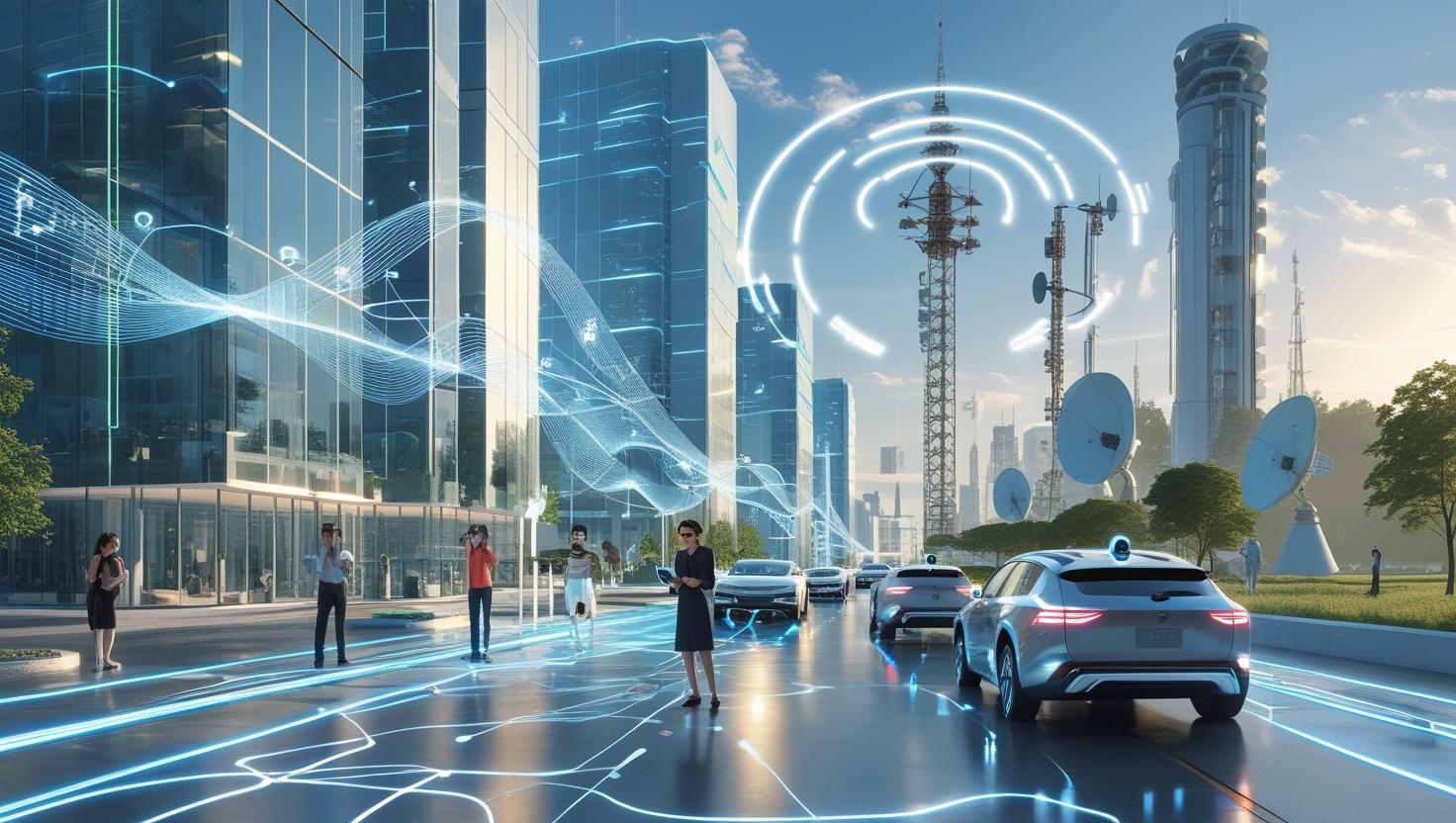
Self-driving cars will leverage AI to enhance safety, optimize traffic management, and improve navigation.
AI integration in consumer electronics is revolutionizing the industry, offering smarter, more efficient, and highly personalized experiences. As technology advances, AI-powered devices will become even more intelligent, transforming daily lives. However, addressing privacy concerns, reducing costs, and eliminating biases remain crucial for the sustainable growth of AI-driven consumer electronics.

webwritetech1@gmail.com
webwritetech1@gmail.com